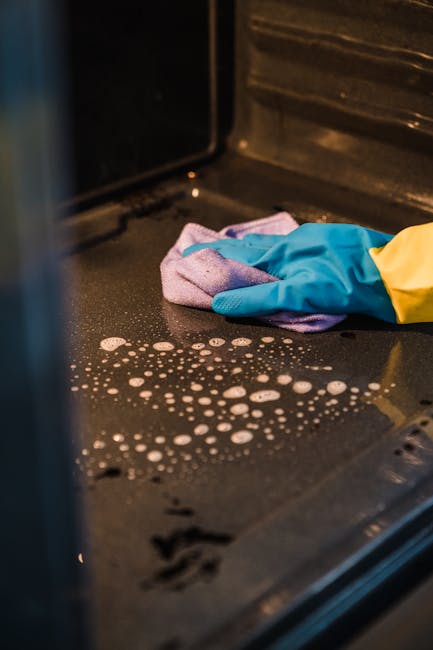
Camden Primrose Hill oven cleaning for busy households
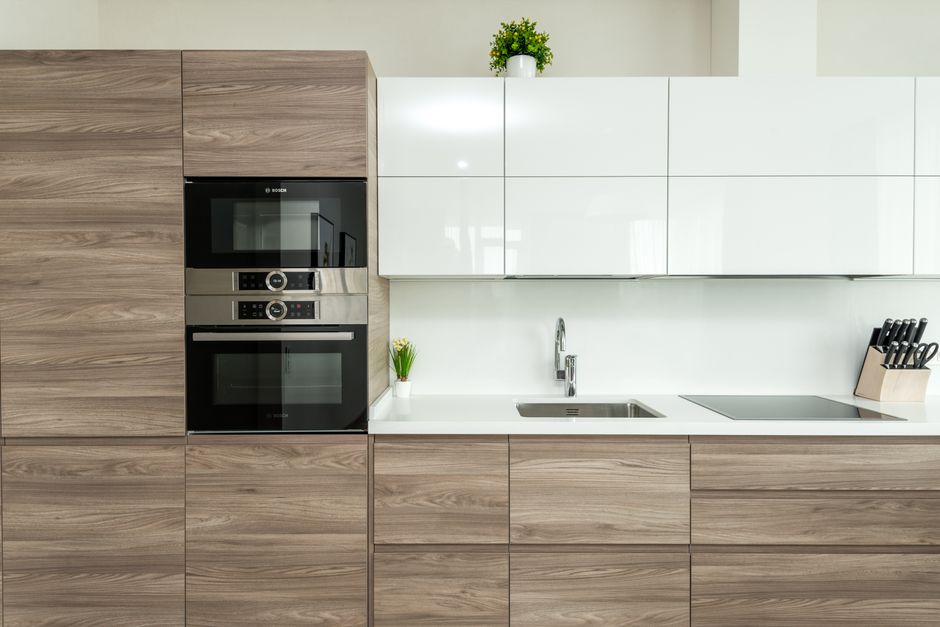
When life is full-on, the oven is usually the last thing anyone wants to scrub after work, school runs, commuting, dinner, and the general chaos of a London week. That is exactly why Camden Primrose Hill oven cleaning for busy households matters so much: it takes one of the most annoying, time-hungry jobs off your plate and gives you back a cleaner, safer kitchen without the faff. If you have ever opened the oven door, stared at the baked-on grease, and quietly shut it again... yes, you are not alone.
This guide breaks down what the service involves, why it is useful for busy homes, how the process typically works, what to look for, and how to keep your oven in better condition between visits. You will also find a practical checklist, a comparison table, and a few real-world observations that can help you decide whether professional support is the right move. For readers who want broader home care support, pages such as domestic cleaning, deep cleaning, and one-off cleaning may also be useful alongside oven care.
Why Camden Primrose Hill oven cleaning for busy households matters
Busy households do not just need a cleaner oven. They need a cleaner oven that does not steal an entire Saturday morning. That is the real point here. In Primrose Hill and the wider Camden area, households often juggle commuting, compact kitchens, shared routines, and the kind of meal prep that leaves splatter where you least expect it. The oven gets used hard, then forgotten until the glass looks cloudy and the trays are sticky enough to make you wince.
Grease and carbon build-up are more than a cosmetic issue. They can affect how evenly your oven heats, create unpleasant smells, and make everyday cooking feel less pleasant. If you roast vegetables one night and bake something sweet the next, residue from the first job can absolutely carry over into the second. That faint smoky smell? Usually a sign the appliance has gone beyond routine wipe-down territory.
For busy families, professionals working from home, and households with children, convenience matters as much as cleanliness. You want a result that is reliable, safe, and low disruption. That is where specialist support comes in. A well-organised service can fit around your schedule, reduce the need for harsh scrubbing, and leave the kitchen usable again with minimal fuss. To be fair, that alone is a small victory in a week that may already be crowded.
Expert summary: Oven cleaning is not just about sparkle. For busy homes, it is about saving time, protecting the appliance, improving cooking conditions, and removing one of the most stubborn cleaning jobs from the family to-do list.
How Camden Primrose Hill oven cleaning for busy households works
The exact method varies by provider, but professional oven cleaning usually follows a careful, structured process. The aim is to remove grime from as many reachable parts as possible without damaging the appliance or leaving strong residues behind. The best services tend to be methodical rather than rushed. That matters.
First, the cleaner will assess the oven type and condition. A small single oven, a fan oven, a range cooker, and a double oven all need slightly different handling. The same goes for enamel, stainless steel, glass doors, and removable parts. Then the oven is usually switched off and allowed to cool fully before work begins. That sounds obvious, but it is a genuine safety step, not a box-ticking exercise.
Removable components such as shelves, racks, trays, and sometimes side panels may be taken out and cleaned separately. The interior is then treated using a safe method appropriate for the grease level and material. In many cases, a non-caustic or low-odour cleaning system is preferred because it is kinder to the appliance and less disruptive in a family kitchen. The aim is to break down baked-on residue, not blast the thing into submission.
After the main clean, the cleaner will usually wipe away loosened grime, polish the glass, reassemble the oven, and do a final check. Good practice also includes clearing away residues, checking seals and hinges visually, and making sure the area is left tidy. If your wider home needs extra support, some households bundle this with house cleaning or a broader cleaning company visit so the whole home feels reset in one go.
In our experience, one of the nicest parts for customers is not just the look of the oven afterwards. It is the feeling of opening the door and seeing clean metal, clear glass, and a tray that does not look like it has survived a minor disaster.
Key benefits and practical advantages
There are plenty of reasons busy homes choose professional oven cleaning, and most of them are practical rather than glamorous. Which, honestly, suits most households just fine.
- Time saved: What might take you hours of stop-start scrubbing can often be handled far more efficiently by someone who does this work regularly.
- Better cooking conditions: A cleaner oven helps reduce burnt smells, smoke, and residue transfer between dishes.
- Less stress: You do not have to wrestle with trays, racks, or stubborn grease that refuses to shift.
- Improved appearance: Clean ovens and glass doors make the kitchen look more cared for, even if the rest of the house is in the middle of family life.
- Longer appliance life in practice: Regular maintenance can help you spot wear, damage, or seal issues earlier.
- More hygienic food environment: Built-up grease can attract odours and, over time, make the oven feel less pleasant to use.
There is also a subtle but important mental benefit. A grimy oven tends to hang over you. You keep noticing it in the corner of your eye. Then you ignore it, then feel mildly guilty about ignoring it. A professional clean removes that background noise. Small thing, big relief.
If your household also needs other hard-to-handle areas done at the same time, related services like end of tenancy cleaning, after builders cleaning, or deep cleaning can sometimes be considered alongside oven cleaning when the kitchen needs a fuller reset.
Who this is for and when it makes sense
Camden Primrose Hill oven cleaning for busy households is especially useful for people who cook regularly but do not have the time, energy, or patience to tackle a deep clean properly. That includes a lot of normal homes, not just particularly messy ones.
- Families with children: Meals happen fast, often at awkward times, and the oven gets used constantly.
- Working professionals: If your evenings are already packed, an oven clean is one less job to carry around mentally.
- Homeowners preparing for guests: Nothing says "we have our lives together" like a clean oven door. Well, almost nothing.
- Tenants moving out: A clean oven can be a major part of presenting the property well at the end of a tenancy.
- Landlords and property managers: Keeping appliances in good condition helps avoid unnecessary complaints and repeated maintenance calls.
- Anyone who hates chemical fumes or hard scrubbing: Fair enough, really.
It usually makes sense when the oven shows visible build-up, smells smoky during use, smokes more than it should, or simply no longer feels pleasant to cook in. Some people book after holidays, before a big gathering, or as part of a seasonal refresh. January and late summer are common moments for this kind of reset, though any month works if the oven is bothering you. Truth be told, waiting for a "better" time can mean waiting forever.
Step-by-step guidance
If you are planning a professional oven clean, or even just want to understand what should happen, this is the practical flow to expect.
- Check the oven type and condition. Know whether it is single, double, range, integrated, self-cleaning, or a specialist model. That helps the cleaner prepare properly.
- Clear the surrounding area. Move nearby tea towels, chopping boards, pet bowls, and anything fragile from the splash zone.
- Make a note of any issues. Loose seals, broken knobs, sticky doors, or missing parts should be mentioned before the clean starts.
- Allow full cooling. A responsible cleaner should never work on a hot appliance. Safety first, always.
- Remove racks and trays. These are typically cleaned separately so grime can be dealt with more effectively.
- Treat the oven interior. The cleaner applies the chosen method and gives it time to loosen grease and residue.
- Wipe, detail, and polish. Once the grime has lifted, surfaces are wiped clean and the glass is finished for clarity.
- Reassemble and inspect. Shelves and trays are put back, and the appliance is checked for a tidy finish.
- Let the oven air if advised. Some methods may require a short airing period before cooking again.
- Set a maintenance habit. A quick wipe after heavy cooking keeps the next clean much easier.
If you are combining this with broader household support, it can help to think of oven cleaning as one piece of a practical domestic routine rather than a one-off rescue mission. Many homes pair it with domestic cleaning or one-off cleaning so the house feels easier to manage overall. Nice, simple, less faff.
Expert tips for better results
There are a few small habits that make a big difference. None are difficult. That is the good news.
- Do not leave heavy spillages until later. Once sugar, oil, or sauces bake on repeatedly, the clean becomes harder.
- Use a liner only if the manufacturer allows it. Some ovens cope well, others do not. Always check suitability first.
- Keep the door glass visible. It is one of the first places grime builds, and it is also the most obvious signal that the oven needs attention.
- Wipe after roasting fatty foods. A quick soft cloth once the oven has cooled can save a lot of effort later.
- Book before things become extreme. Heavy build-up is not impossible to clean, but earlier intervention is easier on the appliance and on your schedule.
- Ask what products are used. If you have children, pets, or sensitivities in the home, this matters more than people sometimes realise.
Here is a small real-life observation: busy households often think the oven is "not that bad" right up until the first professional clean reveals how much residue was quietly sitting behind the scenes. It is a bit like finally cleaning the top of a kitchen cupboard and discovering a tiny forgotten civilization. Not pleasant. Very common.
Common mistakes to avoid
Oven cleaning goes wrong in predictable ways. Avoiding these mistakes can save time, money, and some frustration.
- Using harsh abrasives on glass or enamel: Scratches can be permanent, and the damage often shows more clearly after the surface is cleaned.
- Spraying too much product: More is not always better. Excess liquid can run into seals, vents, or control areas.
- Forgetting to remove racks first: Cleaning around dirty removable parts is slower and less effective.
- Rushing the soak time: Grease needs time to loosen. Quick wipe-downs rarely get proper results.
- Ignoring the seals and hinges: These areas collect grime and often get missed.
- Cooking immediately after a strong chemical clean: Unless the product guidance says otherwise, allow proper airing and follow the cleaner's advice.
Another common mistake is treating all ovens the same. They are not. A self-cleaning model, for example, may need a different approach than a standard fan oven. If you are unsure, asking before the clean is perfectly normal. In fact, it is sensible.
Tools, resources and recommendations
If you prefer to keep on top of maintenance between professional visits, the right basic tools help a lot. Nothing fancy required.
- Microfibre cloths: Good for wiping grease without leaving fluff behind.
- Soft sponges: Useful for everyday touch-ups on cooled surfaces.
- Non-scratch scraper: Helpful for certain stubborn patches, provided the surface allows it.
- Gloves: A simple comfort item, especially if your skin reacts to cleaning products.
- Warm water and a mild cleaner: Often enough for routine upkeep between deeper cleans.
- Timer or reminder on your phone: Low-tech, but very effective for scheduling a repeat clean before grime gets out of hand.
From a service perspective, it can help to look at the provider's wider support pages before booking. For example, pricing and quotes can help set expectations, while insurance and safety gives reassurance around how the work is managed. If you want to understand the people behind the service, about us is also worth a read.
And if you care about what happens to waste materials and packaging, the company's recycling and sustainability page may be useful too. Small detail, but these things matter to many households now.
Law, compliance, standards, or best practice
For most homeowners and tenants, oven cleaning is a straightforward domestic service. Still, it should follow basic UK best practice around safety, product use, and fair service delivery. You do not need to become a compliance expert to make a good decision, but a few sensible checks help.
First, any cleaner working in your home should use appropriate care with chemicals, electrical appliances, and surrounding surfaces. That means keeping the oven off until it is safe, protecting nearby areas, and avoiding products or methods that might damage the appliance. A reputable provider should also be clear about insurance and how they handle incidents, even if those incidents are rare.
Second, customer service matters. If a provider has clear terms and conditions, a visible complaints procedure, and straightforward payment information such as payment and security, that is usually a good sign. It suggests the business has thought beyond the actual cleaning job, which is reassuring.
Third, if you are arranging access to your home while you are out, be clear about timing and entry instructions. That sounds obvious, but misplaced keys and overlapping schedules can make a simple job more complicated than it needs to be. A bit of organisation goes a long way.
Options, methods, and comparison table
Households in Primrose Hill usually choose one of three approaches: do it themselves, use a general cleaner, or book a specialist oven clean. Each option has its place.
| Option | Best for | Pros | Limitations |
|---|---|---|---|
| DIY oven clean | Light to moderate build-up | Low direct cost, flexible timing | Time-consuming, messy, hard on stubborn grease |
| General home clean | Routine upkeep across the home | Convenient for regular maintenance | May not include deep oven detailing |
| Specialist oven cleaning | Heavy build-up, busy households, move-outs | More thorough, less stress, better finish | Usually costs more than doing it yourself |
There is no universal winner. If your oven only needs a quick refresh, DIY might be fine. If it has years of carbon build-up and you cannot spare the time, specialist cleaning is usually the better call. That is especially true if the rest of the home is already covered by services such as cleaners, home cleaners, or house cleaning.
Case study or real-world example
Picture a standard Primrose Hill household on a Thursday evening. Two adults working long days, one child with after-school activities, and dinner needs to happen in the tiny window between everyone arriving home and the next round of chaos beginning. The oven is used most nights, often for tray bakes, roast veg, pasta bakes, and the occasional emergency pizza. Nothing dramatic. Just normal life.
By the time a deep oven clean is booked, the door glass has gone dull, the base has patches of dark residue, and the shelves have a sticky feel that makes them unpleasant to handle. The household does not want a weekend lost to scrubbing. They want the oven sorted, the kitchen left tidy, and the job done without disrupting the family rhythm.
In that kind of scenario, the value is not just the finished result. It is the fact that the clean fits around real life. Someone can continue with work calls, school runs, or a quick trip out while the job is handled. Later, when the oven is cool and reset, the household gets back a piece of the week they would otherwise have spent on elbows-deep cleaning. Honestly, that is the appeal.
If the home also has carpets, soft furnishings, or windows that need attention, some households choose to combine tasks with carpet cleaning, sofa cleaning, or window cleaning so the whole place feels cleaner in one visit. Sensible, really.
Practical checklist
Use this simple checklist before booking or preparing for a visit.
- Confirm the oven type and any special features.
- Note any faults, damage, or loose fittings.
- Clear the area around the oven and hob.
- Remove food items, trays, and accessories if asked.
- Ask what cleaning method will be used.
- Check whether the service includes racks, trays, glass, and door seals.
- Ask how long the oven should be left before use again.
- Confirm access, timing, and any parking or entry instructions.
- Review payment, insurance, and terms before booking.
- Schedule a light maintenance wipe routine for after the clean.
One-line reminder: a little preparation saves a lot of awkwardness later.
Get a free quote today and see how much you can save.
Conclusion
Camden Primrose Hill oven cleaning for busy households is really about making everyday life easier. You get a cleaner appliance, less smoke and smell, a more pleasant kitchen, and one less stubborn job hanging over you. For families, professionals, tenants, and anyone juggling too much already, that is not a luxury. It is practical support that fits real routines.
Whether you are dealing with heavy build-up, planning a fresh start, or simply want to stop ignoring that greasy door every time you make dinner, the right clean can make the kitchen feel calm again. And sometimes that calm is worth more than people expect. Little things matter. A tidy oven, a cleared worktop, a cup of tea afterwards. That sort of thing.
If you are comparing options, take a moment to look at service details, safety, and how the booking process fits your schedule. Then choose the route that makes your week lighter. That is the real win.
Frequently Asked Questions
How often should a busy household book oven cleaning?
It depends on how often you cook, what you cook, and how much residue builds up. Many busy households find that a periodic deep clean is enough to keep the oven manageable, with light maintenance in between. If you roast, bake, or grill often, you may need it sooner.
Is professional oven cleaning worth it for a family home?
For many families, yes. The main value is time saved, but you also get a more thorough clean than most people can realistically manage after a long week. If the oven is heavily soiled, it is often the easier and less stressful option.
Will the oven smell after cleaning?
It can depend on the method used and how long the oven needs to air. A reputable cleaner should explain any airing time or aftercare steps. If a strong product is used, it is sensible to wait before cooking again.
Can oven cleaning help with smoke when I cook?
Yes, in many cases it can. Smoke often comes from leftover grease or food residue burning off during cooking. Removing that build-up usually helps the oven behave more predictably and can reduce unpleasant smells.
Do I need to prepare anything before the cleaner arrives?
Usually just the basics: clear the area, remove food items near the oven, and flag any damage or faults. If the provider gives you preparation instructions, follow those first. It saves time for everyone.
Is oven cleaning safe around children and pets?
It should be, provided the work is done properly and any products are used responsibly. Ask what will be used, how long the area should be left, and whether ventilation is advised. If you have a very curious toddler or an anxious pet, a little planning helps.
What types of ovens can usually be cleaned professionally?
Single ovens, double ovens, range cookers, and many integrated models can usually be cleaned, though methods may vary. Specialist models or self-cleaning ovens may need more careful handling, so always mention the exact appliance type in advance.
How long does oven cleaning usually take?
That depends on oven size, condition, and the level of build-up. A light refresh will usually be quicker than a heavily neglected oven. The cleaner should be able to give you a sensible time estimate once they know the condition.
Can I combine oven cleaning with other home cleaning services?
Yes, many households do. It can make sense to combine it with domestic cleaning, deep cleaning, or one-off cleaning when the goal is a fuller home reset. If the rest of the house needs attention too, that can be a very efficient approach.
What should I look for in a reliable oven cleaning provider?
Look for clear communication, transparent pricing, sensible safety information, and straightforward terms. If the company also explains insurance, payment, and complaints handling clearly, that is a good sign of a well-run service.
Is DIY oven cleaning ever enough?
Yes, for light build-up or routine maintenance it can be enough. But if you are short on time or the grime has built up over months, DIY can become a bit of a slog. Sometimes the better choice is simply getting help and moving on with your week.
What is the biggest mistake people make with oven maintenance?
Leaving spills for later, again and again. Small drips become baked-on deposits, and once that happens the job gets harder very quickly. A quick wipe when the oven is cool makes a surprising difference over time.
How do I know if my oven needs a deep clean rather than a quick wipe?
If the oven door looks cloudy, the shelves feel sticky, cooking causes smoke or strong smells, or the interior has visible dark build-up, it is probably time for a deeper clean. If you are hesitating because it feels "probably fine", it may already be overdue.