Oven Cleaning in Camden
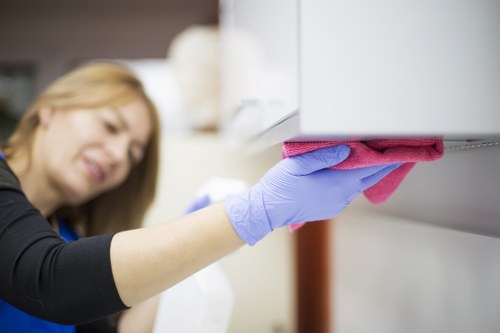
Our oven cleaning in Camden is a focused domestic cleaning service for people who want cooking appliances brought back to a cleaner, more workable condition. We clean built-in ovens, single and double ovens, hobs, extractors and removable oven parts with careful attention to grease, carbon deposits and everyday build-up. The aim is straightforward: leave the appliance cleaner, easier to use and more presentable, while keeping the work practical and suited to the condition of the oven itself.
We treat each job as a proper clean rather than a quick wipe-over. That means identifying the areas that need soaking, agitation or detail work, then working through the oven methodically so the cleaner finish is consistent. For homeowners, landlords and tenants, a well-cleaned oven can make routine cooking more pleasant and can support a better standard of property presentation. If you are comparing options, ask for a quotation once you know what kind of oven or hob needs attention.
Our service is built around the parts of the appliance that usually collect the most residue: the cavity, door glass, racks, trays, side supports, control areas and the visible external surfaces. We do not treat heavy build-up as a reason to rush; instead, we work carefully so the cleaning process suits the material and finish. For households that want an occasional reset rather than a regular domestic visit, this service is a practical way to restore a cleaner standard without replacing the appliance.
What our oven cleaning service covers
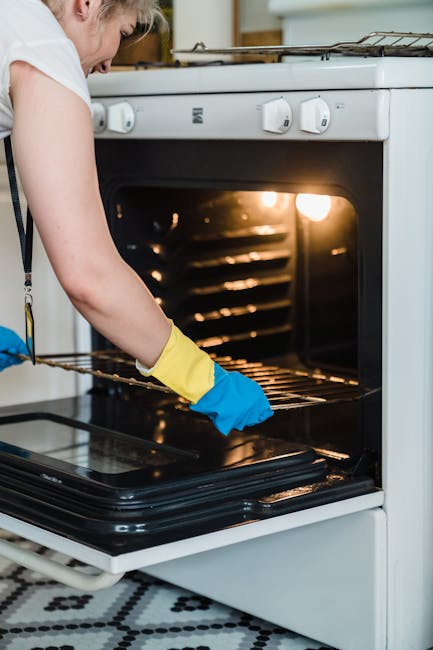
The core service covers the internal oven chamber, the door, the glass panel, racks and other removable components where practical. We also clean the surrounding exterior areas that are part of normal use, including knobs, trim and accessible surfaces. When there is a hob or extractor connected to the kitchen cooking area, we can include those items where they are selected as part of the job and suitable for the same visit. The work is designed to be thorough, tidy and suited to domestic kitchens rather than industrial equipment.
Different ovens call for different methods. A standard electric oven, a fan oven and a double oven do not always present the same build-up, so the cleaning sequence may vary. Some doors and shelves respond best to soaking and careful wiping; others need more detailed hand cleaning around corners, seals and hinges. If you want to compare the likely scope before booking, the most useful step is to describe the appliance type and condition clearly so the quotation can reflect the real work involved.
For households with busy kitchens, the value of a detailed oven clean is often in the finish rather than a dramatic transformation. A cleaner appliance can be easier to inspect, easier to use and simpler to keep on top of afterwards. It also means the parts you touch most often are less affected by baked-on residue. If you are ready to take the next step, use our plain text CTA: request a quotation.
Built-in ovens, hobs and extractor areas

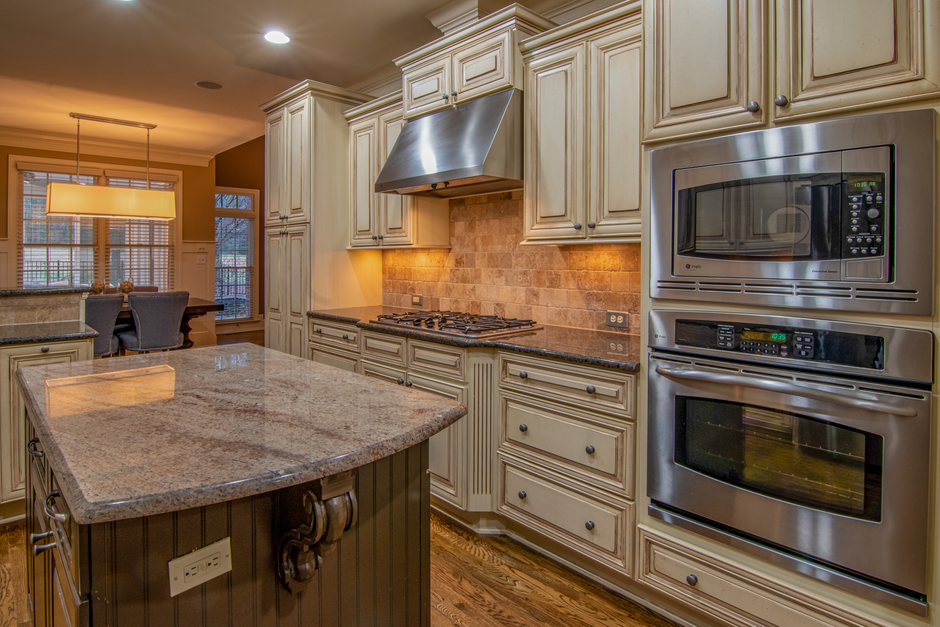
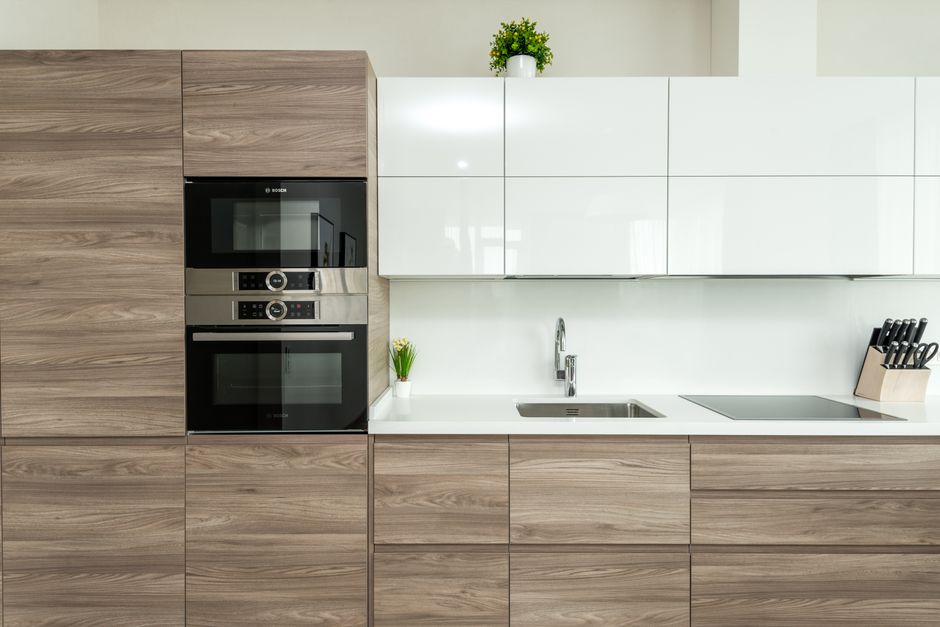
Many domestic kitchens in Camden use built-in appliances, and that affects how the cleaning is planned. A built-in oven often needs more careful access around the frame and surrounding cabinetry, while a hob demands detailed cleaning around burners, rings or control zones. Extractor areas, where included, can also collect a mix of grease and airborne residue that needs patient attention. The aim is not just to make surfaces look better for a moment, but to leave them appropriately cleaned for continued use.
When we clean a hob or extractor as part of the same booking, we look at the materials and fixings first. Glass, stainless steel and coated finishes need different handling, and the safest method depends on what is fitted in the kitchen. Small details matter: edges around controls, seams near the splash zone and panels close to the cooking area are often where residue becomes visible first. That is why a careful, section-by-section approach generally gives the best result.
Some customers want the oven only, while others prefer a broader cooking-area clean so the whole setup feels more complete. Either approach can work well, and the decision usually depends on the condition of the appliance, how heavily it is used and whether the visible surfaces need the same level of care. If you want to discuss the mix of items in one visit, we can quote on the basis of the actual appliances involved.
How we approach grease, grime and residue
Oven cleaning is a technical domestic task because the main problems are not just dirt, but layers of residue that harden over time. Grease can cling to the cavity walls, drip onto trays, settle on the door and leave dull marks around the controls. Our approach is to loosen what can be softened, remove what can be detached and clean what needs hand finishing. That gives a more consistent result than trying to force one method on every part.
The cleaning process is also shaped by the appliance materials. Enamel, glass and metal each respond differently, so we avoid careless abrasion and keep attention on the finish as well as the visible dirt. For example, seals and edges need precision, because these areas often affect the overall appearance even when the wider cavity is already improved. Thoughtful technique matters as much as effort, especially on appliances that are used every day.
We always aim for a result that is practical for normal household cooking. That means removing obvious residue, improving the appearance of key surfaces and leaving the appliance in a cleaner, more manageable state. If you are planning a move, a tenancy handover or a general kitchen refresh, this kind of targeted clean can be a useful part of the wider preparation. Book the clean when you are ready to move forward.
Single ovens, double ovens and range-style appliances

Not every oven presents the same level of access, and the appliance style affects how long the work takes and how the cleaning is staged. A single oven may be more straightforward, while a double oven creates extra surfaces, extra racks and more detail around the dividing sections. Range-style appliances can involve multiple cavities or wider cooking surfaces, so they need a plan that keeps the work orderly and proportionate. The service is therefore shaped around the appliance rather than treated as one identical task.
Where appropriate, removable parts are taken out, cleaned separately and returned once they have been attended to properly. That helps with stubborn build-up in places that are difficult to clean in situ. It also means the visible finish tends to be more even, because the cleaning is not limited to areas that can be reached with a cloth alone. For customers who want a more complete result, this is usually the most effective method.
Useful booking details are simple: the appliance type, how many cavities or racks need attention, and whether there are any unusual access issues in the kitchen. That information helps produce a more accurate quotation and avoids surprises on the day. If you are unsure what counts as a single or double oven in practical terms, just describe the appliance and send the basics when you ask for a quotation.
Removable parts, trays and internal finishing
Internal oven parts often make a bigger difference to the finished result than customers expect. Racks, trays, side supports and similar components can collect thick residue and stains that remain visible even when the cavity itself looks better. Cleaning these parts separately allows for a more careful finish and helps the appliance look cleaner overall. It also means the parts can be dried and returned in a tidier state rather than left with traces of loosened grime.
The same principle applies to the glass door and other clear surfaces. A clean door is important because it shapes the appearance of the whole appliance, and it is one of the first things most people notice. We give attention to edges, corners and the spaces where residue can collect behind the most visible panel. Where the design allows, that detail work is a key part of the service rather than an optional extra.
For customers comparing cleaning options, this level of internal finishing is one reason a dedicated oven clean is different from a general kitchen wipe-down. It focuses on the appliance itself, not the whole room, so the effort can go where it matters most. If your oven is due for a proper reset, a quotation can be prepared around the exact items you want cleaned.
Supporting kitchen standards for homes and rentals
Oven cleaning often forms part of wider domestic upkeep, especially when a kitchen needs to look orderly for regular living, inspections or a change of occupant. A cleaner oven helps the room feel more cared for and can make the cooking space easier to present. That is especially useful when the appliance has visible residue on the door, around the shelves or along the exterior trim. A focused clean can make the difference between “wiped†and properly finished.
For landlords, tenants and homeowners alike, the benefit is that the appliance can be dealt with on its own terms rather than left until the residue becomes harder to shift. That does not mean the work is limited to major cases; in many homes the useful outcome is simply returning the oven to a tidier standard after regular use. It can sit well alongside other domestic cleaning tasks, but it remains a specialist job in its own right.
If you are weighing up timing, it often makes sense to arrange the clean before the appliance becomes heavily neglected. That makes the process more straightforward and can help preserve a more consistent appearance. Keep the booking simple: tell us what appliance you have and what level of cleaning you want, then ask for a quotation.
About Camden
Camden is a district in north London known for its dense mix of streets, transport links and cultural activity. The name is used both for the wider borough and for Camden Town, the historic centre around Camden High Street and the Regent’s Canal. The area grew rapidly during the nineteenth century as London expanded northwards, and much of its urban character comes from that period of intense development. Georgian terraces, Victorian housing and later commercial buildings sit alongside markets, railway infrastructure and modern redevelopment, creating a layered streetscape rather than a single uniform centre. The borough’s name is also associated with an important stretch of the capital’s canal system, which helps shape movement and landscape in the area.
Getting the right quotation for your appliance

The simplest way to get an accurate quotation is to be clear about the appliance type, how many ovens or cavities are involved and whether any extra items such as a hob or extractor should be included. You do not need to overcomplicate it; just a clear description is usually enough to size the job properly. If the oven has unusual fittings, a particularly heavy residue build-up or limited access, that is worth mentioning because it may affect the cleaning method and the time needed.
Photographs can be helpful when you are asking for a quotation, especially if you are unsure how much work is involved or whether the appliance has any special features. A few simple notes about the kitchen layout, the age or style of the oven and any areas you want prioritised can also help. This keeps the conversation focused on the actual clean rather than on guesswork, and it makes it easier to compare options on a like-for-like basis.
When you are ready, send the details and ask for a quotation. If you prefer, you can also keep it brief and ask us to price the appliance as described. Either way, the goal is the same: a clear, practical cleaning plan that matches the oven in front of you.
Why a specialist oven clean is different
A specialist oven clean is not just about appearance. It is about using the right process for an appliance that gets hot, collects residue and has parts that need careful handling. The more built-up an oven becomes, the less effective a quick surface clean usually is. Specialist cleaning addresses the areas that are often missed in everyday wiping, including the corners, frame edges and internal fittings that are easiest to overlook during routine kitchen maintenance.
There is also a practical side to the work. A cleaner oven can be easier to inspect, easier to wipe down after use and more pleasant to cook with. That is particularly useful in busy households where the kitchen is used often and there is little time to tackle stubborn residue in small stages. The service is designed to provide a proper reset so the appliance is ready for ordinary domestic use again.
If you want to combine accuracy and convenience, the best approach is to describe the appliance honestly and let the quotation reflect the real task. Tell us what needs cleaning, and we can keep the quote focused on the right scope. That makes the booking clearer for everyone and helps avoid unnecessary extras.
Preparing for a cleaner finish

Before the clean begins, it helps if the oven area is accessible and the appliance details are ready to share. That does not mean you need to do the cleaning yourself; it simply means the job can start more smoothly if the surrounding space is clear enough for work to be carried out safely. Mentioning any concerns in advance is useful too, because the method can then be chosen with the appliance and kitchen layout in mind.
Once the clean is complete, many customers simply prefer to keep the appliance in better shape with light routine wiping and regular use of trays or liners where appropriate. That is not a substitute for a proper deep clean, but it can help reduce the speed at which residue returns. The main point is that a specialist clean creates a better base, making normal upkeep more manageable afterwards.
For oven cleaning in Camden, the service is designed to be clear, practical and centred on the appliance itself. If you would like the work priced properly, use the details you have to hand and request a quotation. We will then be able to assess the scope and respond with a sensible cleaning proposal.